Green, Black, White, Oolong, Scented, and Fermented Tea
- At a Glance
- Trà Xanh — Green Tea
- Hồng Trà — Black Tea
- Trà Ướp Hương — Scented Tea
- Other Scented Teas
- Trà Trắng — White Tea
- Trà Ô Long — Oolong Tea
- Trà Lên Men — Fermented Tea
- A Note on Scope
Vietnam is one of the world’s oldest tea-producing nations. The country’s geography — from mist-covered highlands in the north to the volcanic plateaus of the Central Highlands in the south — creates a wide range of growing conditions, and its teas reflect that range. Green and black teas have been produced here for well over a century. Scented teas represent a technically demanding artisanal tradition with no close parallel elsewhere. Oolong, white, and fermented teas occupy smaller but growing shares of production.
All of these teas are made from Camellia sinensis, grown across highland regions in several distinct Vietnamese cultivar expressions. What separates them from each other — and in some cases from their counterparts elsewhere — is what happens to the leaf after harvest.
This guide covers six types of tea produced in Vietnam: what defines each, where it is grown, and where the Vietnamese version differs from other traditions.
At a Glance
| Tea Type | Vietnamese Name | Oxidation | Key Regions | Flavour Character |
|---|---|---|---|---|
| Green | Trà Xanh | None | Thái Nguyên, Northern Mountains | Bold, grassy, long sweet finish |
| Black | Hồng Trà | Full | Northern Mountains, Central Highlands | Robust, earthy, malty |
| Scented | Trà Ướp Hương | None (green base) | Hanoi (lotus), nationwide (jasmine) | Floral, delicate, layered |
| White | Trà Trắng or Bạch Trà | Minimal | Northern Mountains | Light, clean, subtly sweet |
| Oolong | Trà Ô Long | Partial (15–80%) | Bảo Lộc, Mộc Châu | Floral to roasted, complex |
| Fermented | Trà Lên Men | Post-fermented | Northern Mountains | Earthy, woody, evolving |
Trà Xanh — Green Tea
Green tea (trà xanh, literally “green tea”) is the most widely produced and consumed tea in Vietnam [1]. It is the default beverage served at meals, in households, and in business settings across the country.
Two Forms: Fresh and Dried
There are two ways of drinking green tea are hard to distinguish in English, since they both translate to ‘green tea’.
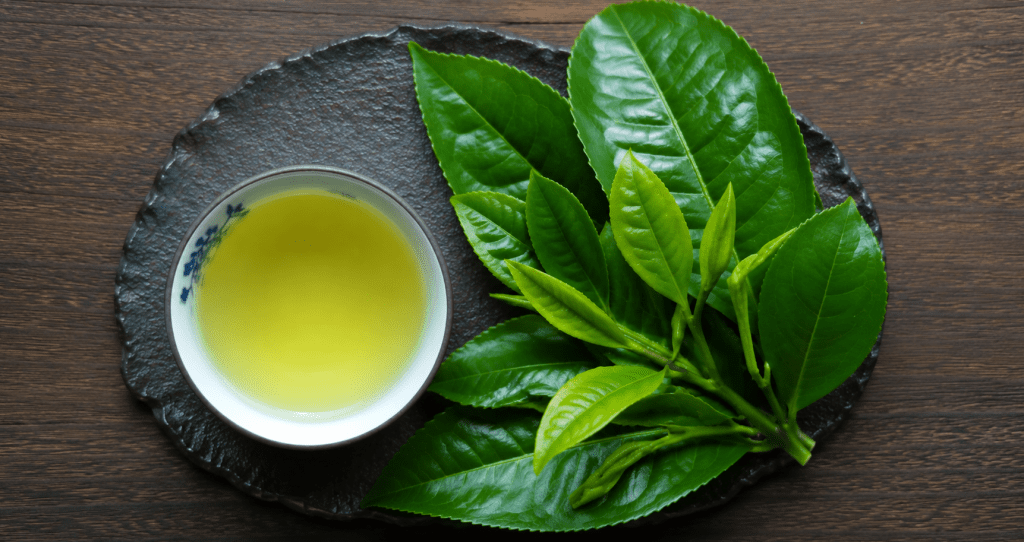
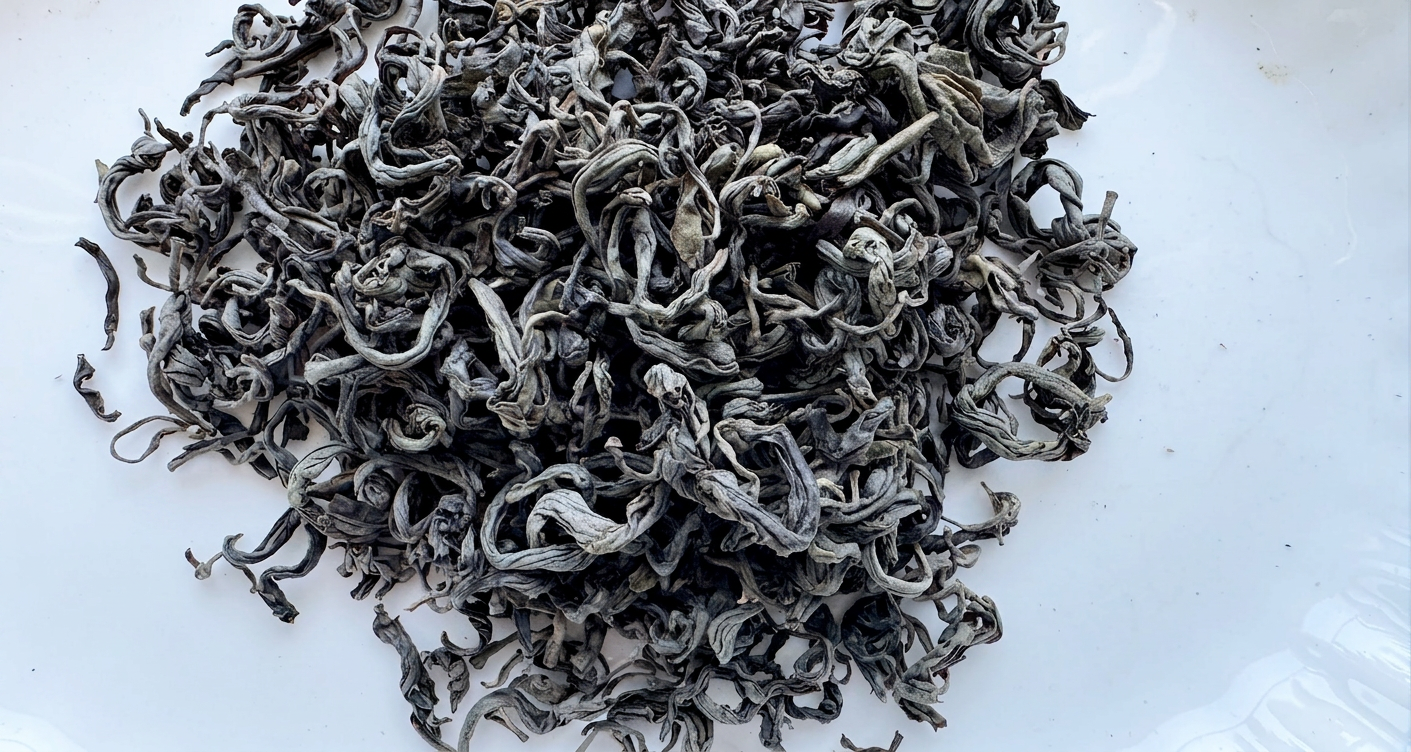
Fresh green tea (nước trà tươi or chè tươi) is brewed directly from whole, unprocessed leaves — often picked and delivered fresh to the wet market or supermarkets. The leaves will be slightly bruised to release the flavour, and brewed using boiling water to make tea. The result is grassy, astringent, and vegetal, with minimal processing between tree and cup.
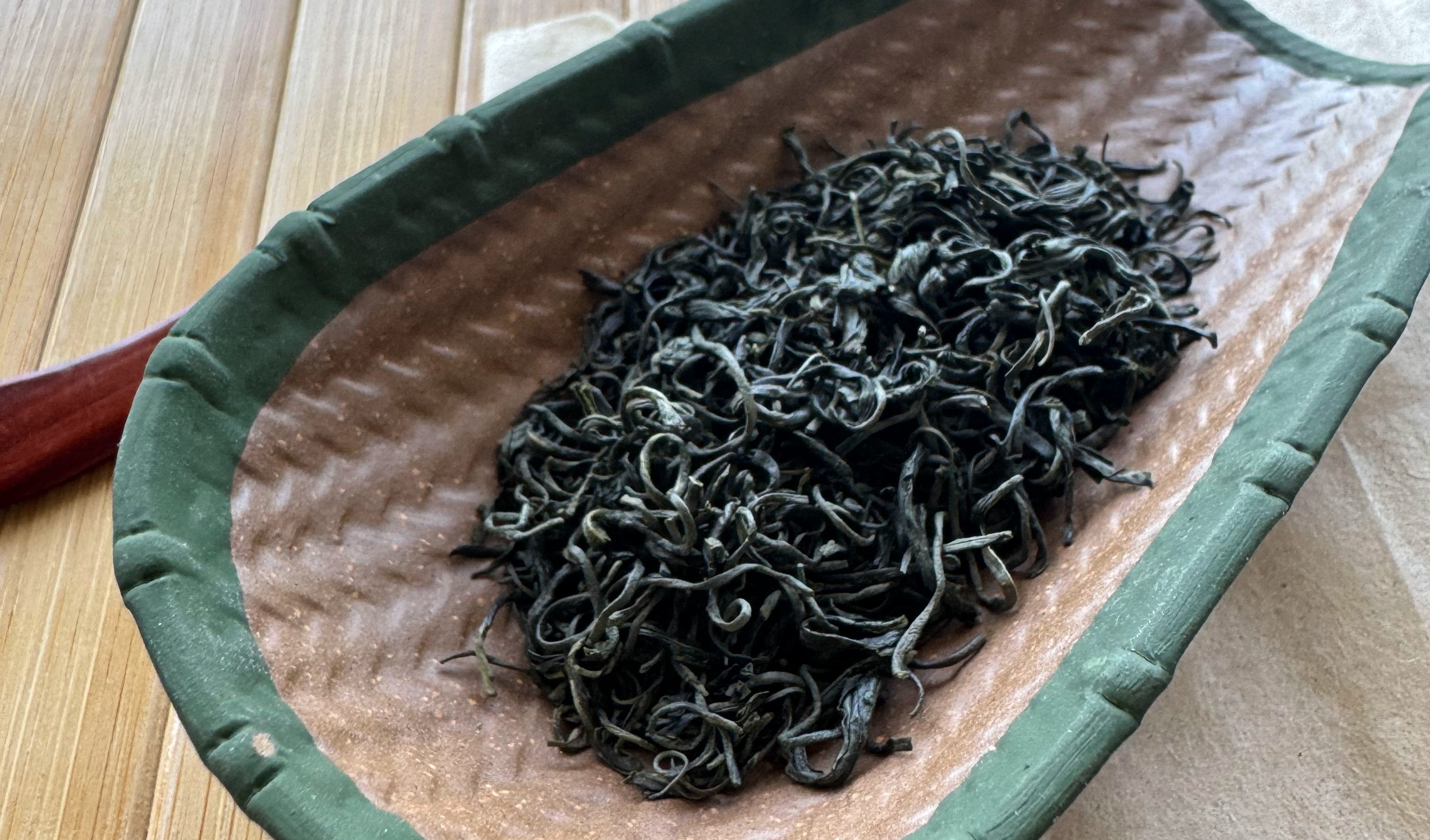
Dried loose-leaf tea (trà mạn) is the processed product: leaves that have been through kill-green, rolling, and drying, then stored and sold as a finished tea. This encompasses a range of grades, oxidation levels, regional styles, and quality.
The Kill-Green
The defining step in green tea production is kill-green (diệt men): heat applied shortly after harvest to halt oxidation and lock in the leaf’s character. In Vietnam, the dominant method is pan-firing, shared with much of China’s green tea tradition. The result tends toward bold and assertive, with pronounced astringency that resolves into sweetness in quality leaves over successive steeps.
Where It’s Grown
The principal centre of Vietnamese green tea production is Thái Nguyên province, particularly the commune of Tân Cương. The most valued grades are fish-hook (móc câu, named for the curl of the finished leaf) and bud-and-shoot (tôm nõn). Tân Cương green teas are characterised by pronounced frontal bitterness that transitions into a sustained sweetness — the returning aftertaste (hậu vị) that Vietnamese tea drinkers use as the primary measure of quality.
Green tea is also produced from Shan tuyết (Camellia sinensis var. assamica) cultivars in the northwestern highlands, such as Hà Giang, Yên Bái, Sơn La. At higher altitudes, slower leaf development produces a softer profile with greater mineral complexity than lowland plantation teas.
Hồng Trà — Black Tea
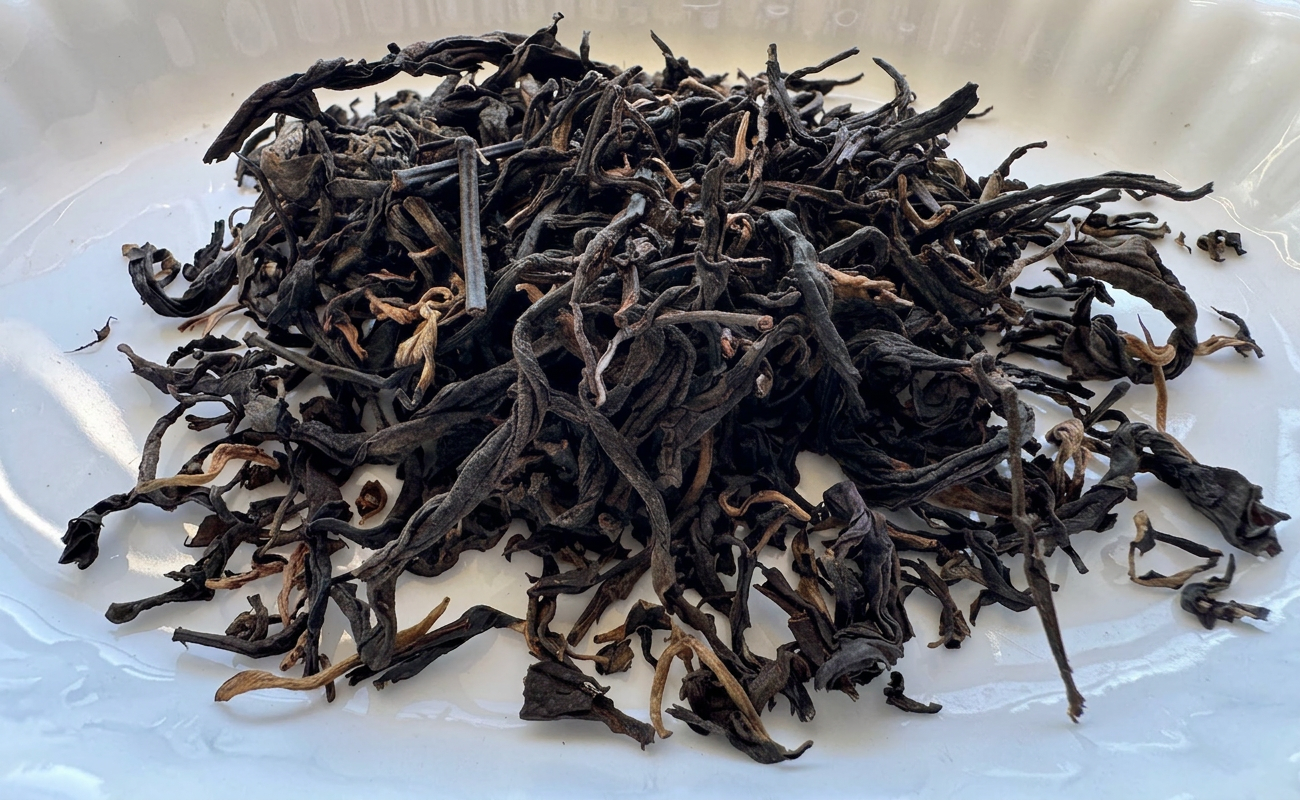
Black tea (hồng trà) has historically dominated Vietnam’s export output. The name hồng trà refers to the reddish, amber colour of the tea liquid. As of 2017, black tea accounted for sixty-five percent of production and seventy-eight percent of export volume by weight [2], though the balance has shifted in recent years as green tea exports have grown [3]. The bulk of black tea exports have been directed into commodity blends for markets in Pakistan, Russia, and the Middle East, rather than traded on single-origin terms [4].
The Processing
Black tea is produced through full oxidation following harvest. Leaves are withered, rolled to break down cell structure and initiate oxidation, left to oxidise fully, then dried. The resulting tea ranges in colour from amber to deep mahogany, with a flavour profile determined by cultivar, altitude, and oxidation time.
Where It’s Grown
The main black tea producing regions are in the northern highlands — Yên Bái, Phú Thọ, Hà Giang — and in Lâm Đồng province in the Central Highlands. Northern black teas produced from Shan tuyết cultivars by orthodox methods tend toward earthier, more structured profiles than teas from lower-altitude plantation farming. Lâm Đồng benefits from cooler temperatures at elevation, which slow oxidation and produce a more delicate result.
Black teas can also be produced from wild Shan tuyết trees in the northern highlands.
Trà Ướp Hương — Scented Tea
Scented tea (trà ướp hương) is made by infusing processed tea leaves with the fragrance of fresh flowers. The tea base — almost always green — absorbs the floral scent through proximity and time rather than through any addition of extracts or oils. Vietnam’s flower-scenting tradition, particularly its lotus scenting methods, has no close equivalent in Chinese, Taiwanese, or Japanese tea culture.
Artisanal Scenting vs. Commercial Production
Most “jasmine tea” and “lotus tea” sold in mass markets, in both Vietnam and the West, is not traditionally scented. It is produced by misting dried tea leaves with jasmine essential oil or synthetic lotus fragrance. This method is faster and cheaper, but produces a flat, one-dimensional fragrance compared to tea scented through repeated flower layering.
In traditional Vietnamese scenting, fresh flowers are layered with the tea and left to transfer their fragrance through proximity over several hours. The flowers are then removed, the tea is dried, and the process is repeated — sometimes five to seven times for high-grade jasmine tea (trà nhài). Each cycle uses fresh blossoms, with jasmine typically harvested at night when fragrance is strongest. Lotus tea (trà sen) involves more labour still.
Lotus Tea
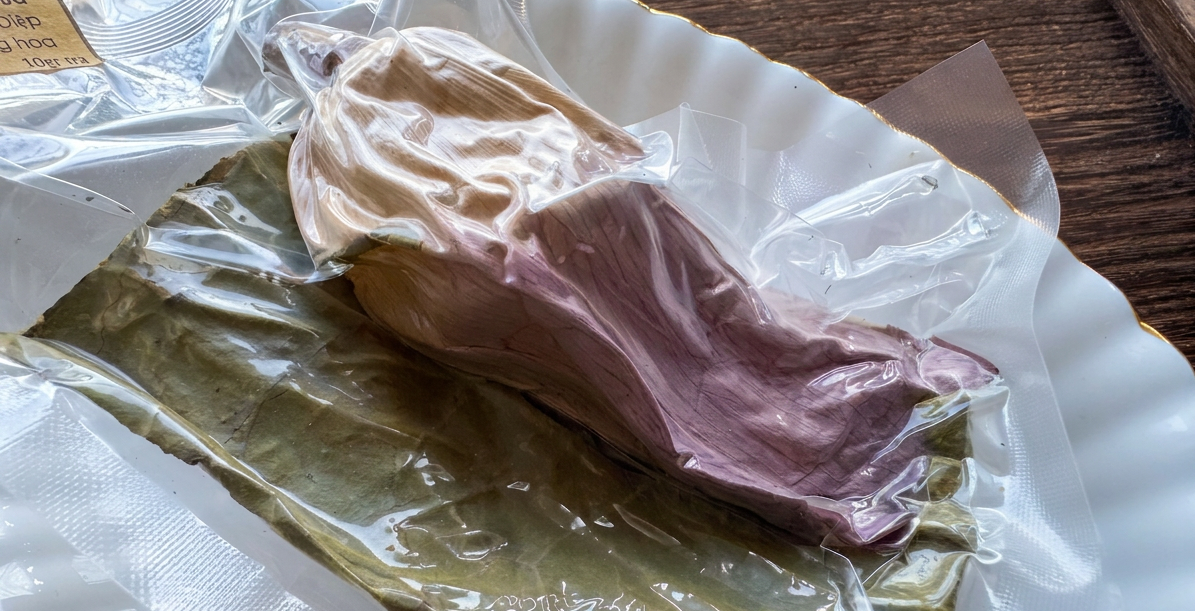
The most technically demanding Vietnamese scented tea is lotus tea, made by scenting green tea with the fragrance of the lotus flower. The most popular version uses Bách Diệp lotus, grown in the lakes around Hanoi for the intensity of its fragrance, and is traditionally associated with scholars, poets, and ceremonial occasions [5].
Other Scented Teas
Jasmine (trà nhài or trà lài), pomelo flower (trà hoa bưởi), and pandan (trà sâm dứa) follow the same craft logic — fresh flowers or herbs, repeated layering, no artificial fragrance. Scented teas as a general category account for roughly ten percent of Vietnamese green tea production [6], while high-quality, traditionally scented teas represent an even smaller category of special tier production. Jasmine-scented green tea is produced across several regions; pandan tea is most common in Central and Southern Vietnam.
Trà Trắng — White Tea
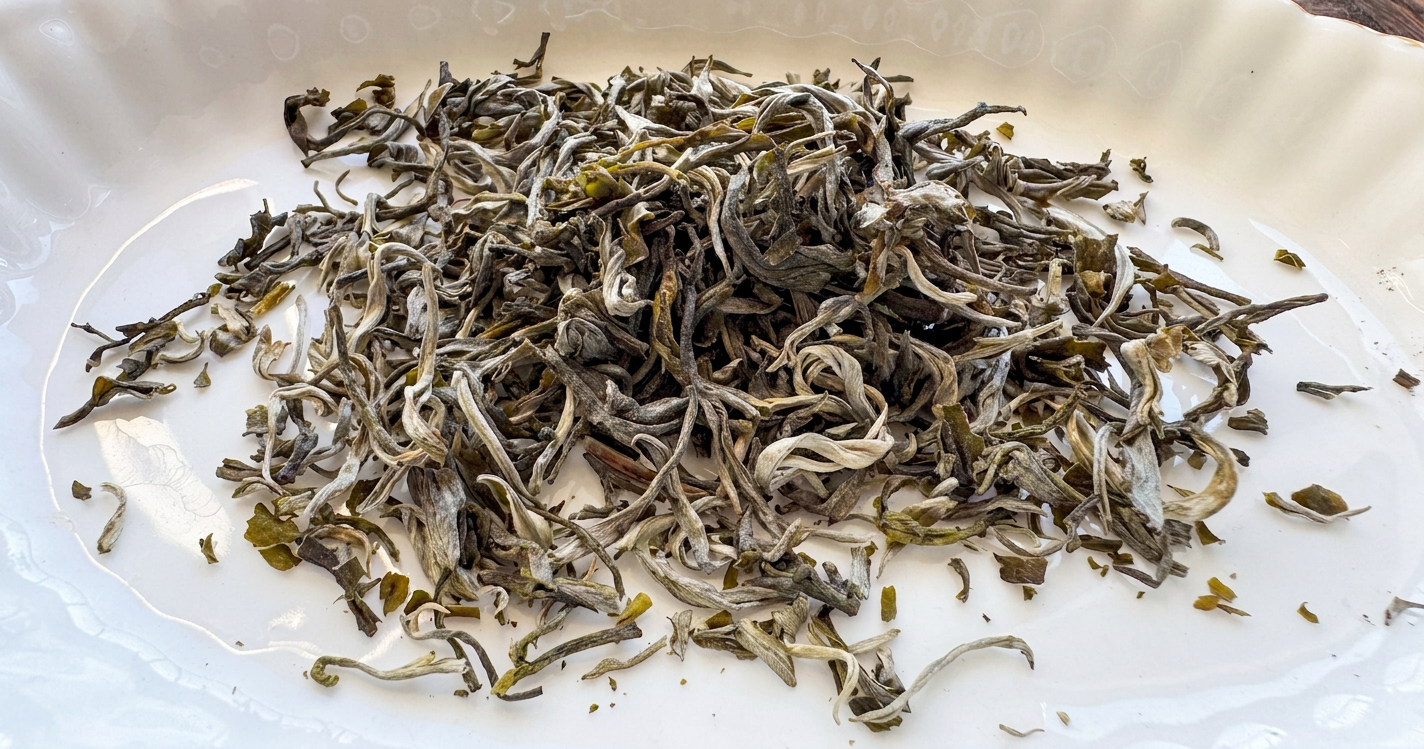
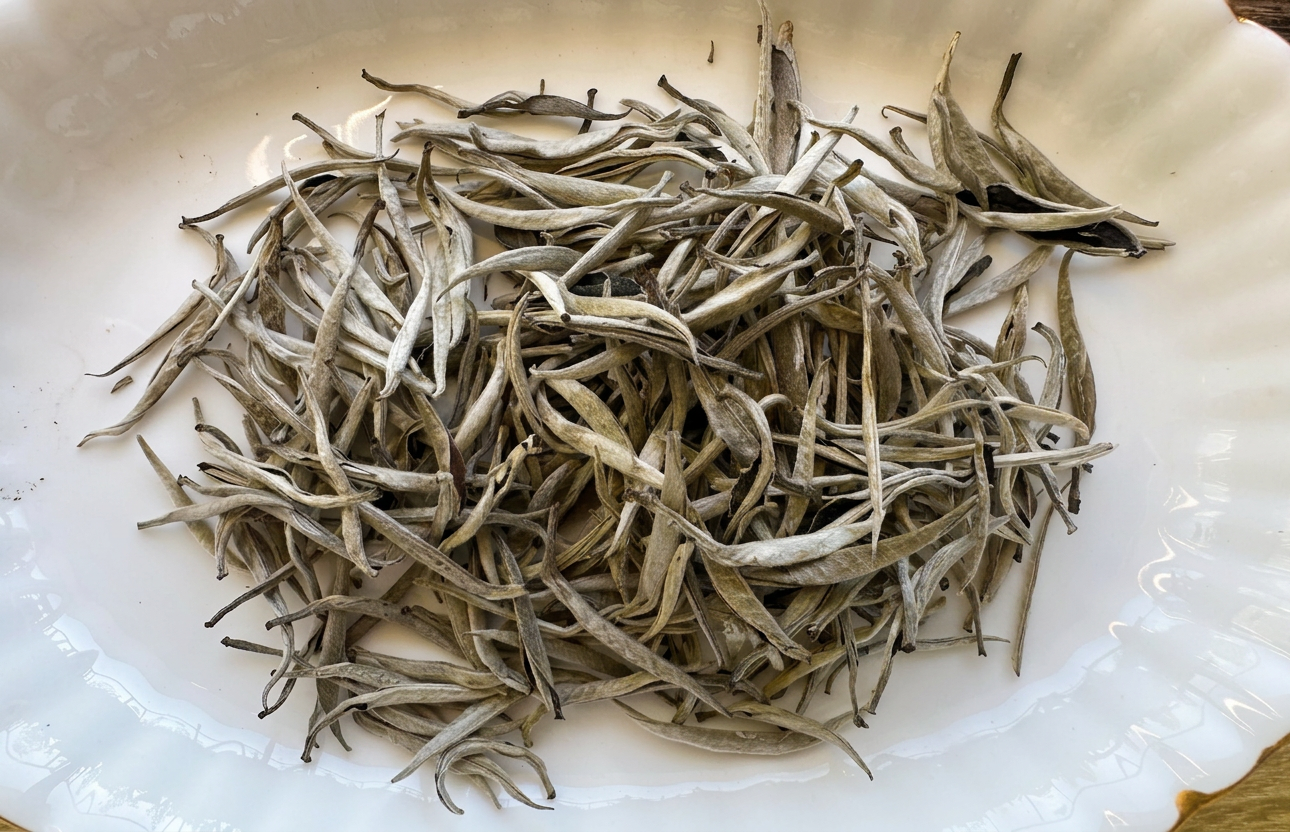
White tea (trà trắng or bạch trà) undergoes the least processing of all tea types. Young buds or bud-and-leaf sets are harvested and allowed to wither and dry slowly, with no kill-green step and minimal handling. The silvery down on the youngest growth — the visual reference for the word tuyết (snow) in Shan tuyết — is preserved intact.
Where It’s Grown
Vietnamese white tea is produced primarily in the northern mountainous regions like Hà Giang or Yên Bái, from Shan tuyết cultivars [7]. The liquor is light and clean with a subtle sweetness, notably softer than Vietnamese green tea.
Vietnamese white tea does not have the established tradition or documented history of Fuding white tea from Fujian, China, where defined cultivar lineages and production methods have existed for centuries. Vietnam’s white tea production is a relatively recent specialty development, though ancient Shan tuyết trees at high altitude provide well-suited raw material.
Trà Ô Long — Oolong Tea
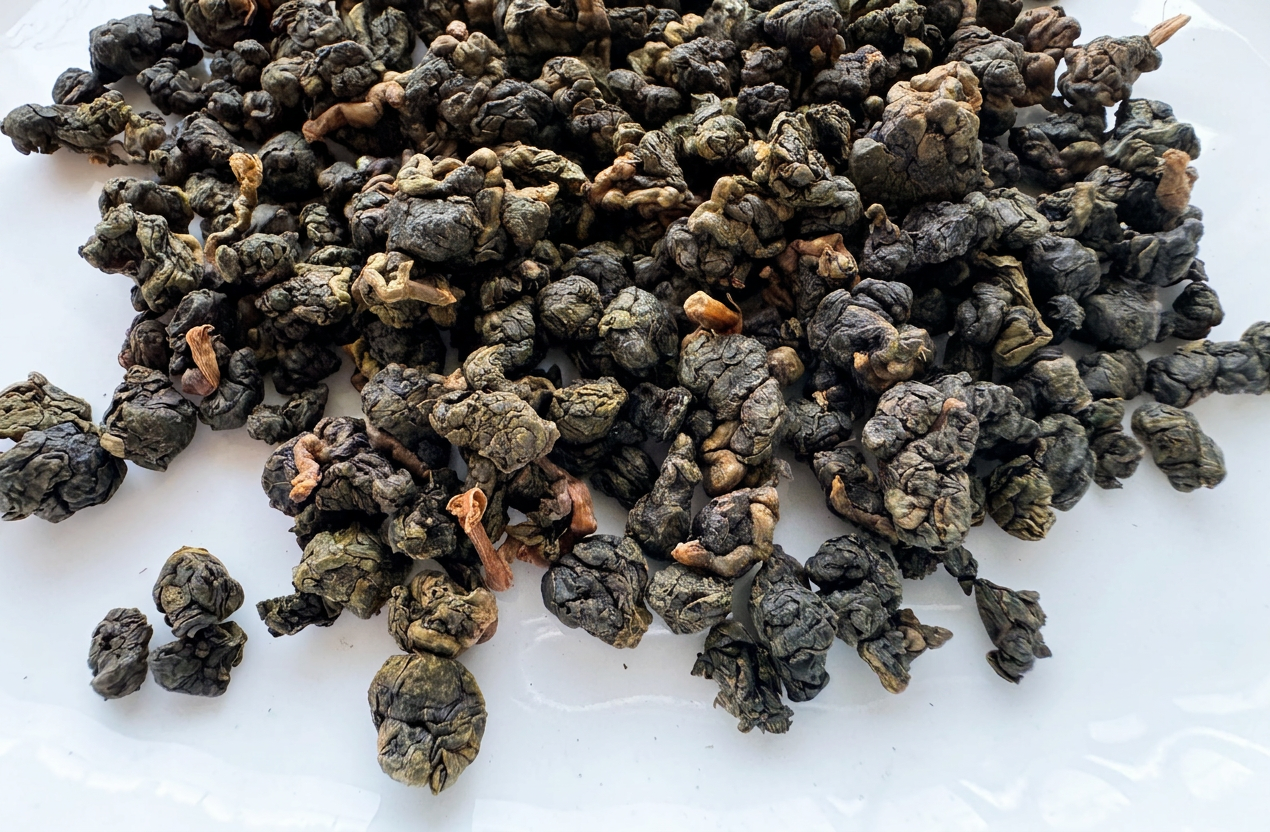
Oolong tea (trà ô long) is partially oxidised, with oxidation levels ranging from roughly fifteen to eighty per cent depending on the producer’s intent. This range produces significant variation in flavour — from green and floral at lower oxidation to roasted and honeyed at higher levels.
Origins and Cultivars
Vietnam’s oolong production is concentrated on the Bảo Lộc plateau in Lâm Đồng province, where it was introduced in the late 1980s through collaboration with Taiwanese producers who brought cultivars, equipment, and processing expertise [8]. The main cultivars are Kim Tuyên, Tứ Quý, and Thanh Tâm — all of Taiwanese origin. Oolong is also produced on the Mộc Châu plateau.
Much of the output is exported to Taiwan, where it is generally marketed as Taiwanese tea [8]. A peer-reviewed study documenting the issue collected samples from China, Vietnam, Indonesia, and Thailand and confirmed that Taiwanese-style oolong produced in these countries is routinely difficult to distinguish from domestic Taiwanese product by variety or appearance [9]. One documented case found a major Taiwanese retailer selling Vietnamese leaf blended into oolong marketed as Shan Lin Xi high-mountain tea [10]. Despite this, oolong accounts for approximately twenty percent of Vietnam’s tea export revenue [8].
The Flavour Profile
Bảo Lộc oolong grown at 800 to 1,000 metres tends toward the lighter, more floral end of the oolong spectrum: clean and aromatic with a gentle sweetness and low astringency. Single-origin Vietnamese oolong with full provenance is increasingly available from specialty producers.
Trà Lên Men — Fermented Tea
Fermented tea (trà lên men) undergoes microbial transformation after initial processing — a post-fermentation stage that distinguishes it from all other tea types. Outside Vietnam, this category is best known through pu-erh, a tea traditionally produced in Yunnan, China.
A Note on Naming
Pu-erh is not a generic processing term available for use on any fermented tea. In 2008, the Chinese government approved a national standard declaring pu-erh a “product with geographical indications,” restricting use of the name to tea produced within specific regions of Yunnan province [11]. The Yunnan Province Pu’er Tea Association also holds a United States trademark certifying that goods sold under the name meet defined criteria of origin, raw material, and processing method, all tied to Yunnan [12]. For this reason, fermented tea produced in Vietnam is not referred to as pu-erh, or by its Vietnamese transliteration phổ nhĩ, in this guide — regardless of how closely it resembles the Yunnan product in raw material or process.
Vietnam’s Material and Its History
The ancient Shan tuyết trees of Vietnam’s northern highlands produce leaves closely related to the wild-tree material used in Yunnan pu-erh production. The two ecosystems share the same mountain range, and the botanical similarity is direct. Raw tea leaf from Vietnam’s northern highlands has been purchased by Yunnan producers for decades, processed in China, and sold there as Chinese product [8].
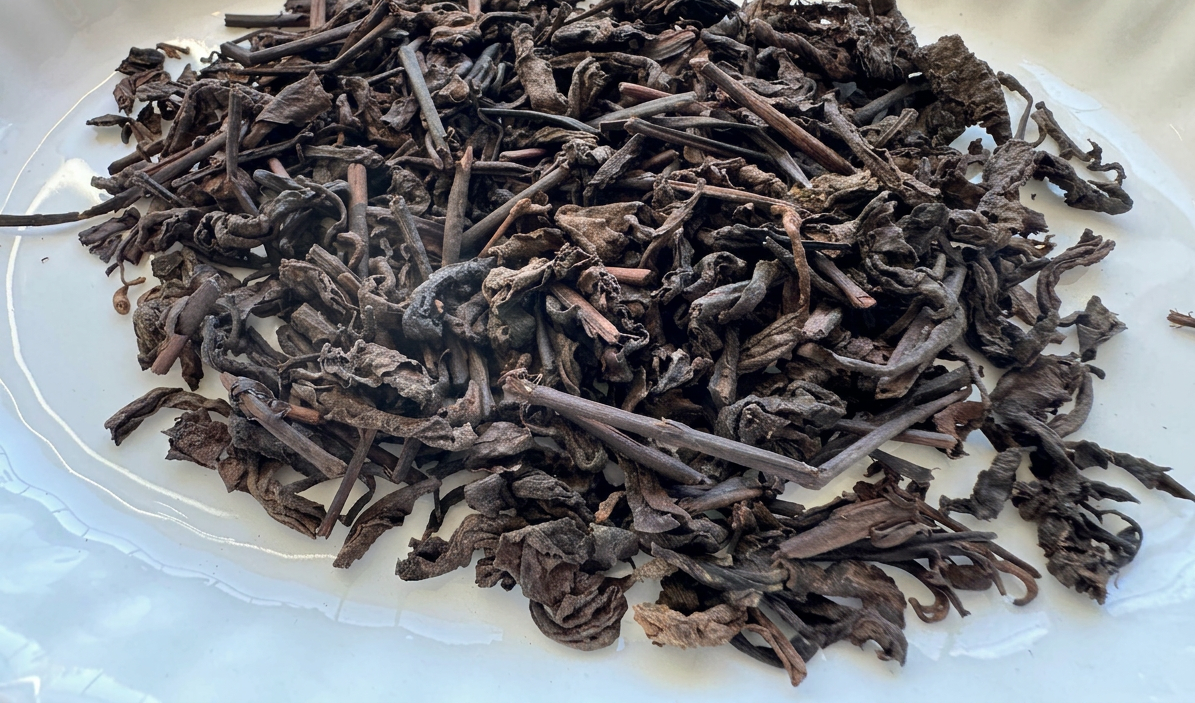
A Vietnamese fermented tea tradition exists independently — consumed by Hmong, Dao, Tày, and Thái communities in the northern highlands as part of longstanding local practice [7] — and a small number of producers are now applying more deliberate production methods to this material.
A Naming Confusion: “Yellow Tea”
In the Vietnamese market, fermented tea material is sometimes sold under the name trà vàng — literally “yellow tea.” This labelling has caused confusion even among Vietnamese buyers, who reasonably assume it refers to a category equivalent to Chinese yellow tea (huang cha, 黃茶), a tea defined by a specific sealed-yellowing technique (men huang, 闷黄) applied after kill-green.
What is sold as trà vàng in this context is typically raw, unfinished fermented tea material — leaves that have been dried and rolled but have not yet undergone microbial fermentation, known in Chinese tea production as mao cha (毛茶). The yellow-toned liquor that gives the material its Vietnamese name comes from this unfinished, partially oxidised state, not from any sealed-yellowing process. It is not a finished tea type in its own right, and it is not equivalent to Chinese yellow tea. Genuine yellowing-process tea production in Vietnam, distinct from this naming confusion, remains experimental and is not yet established at meaningful scale.
Current State of Vietnamese fermented tea
Vietnam is on the edge of advancing the fermented tea category. The country has the raw material — centuries-old Shan tuyết trees with leaf chemistry closely related to Yunnan’s celebrated wild-tree material — and the growing conditions: mountainous terrain that, paired with sunny, dry conditions off the peaks, suits both leaf cultivation and the drying and ageing stages of production. What has been missing is technique, and that gap is closing. One Sơn La-based producer, after training in fermentation method in Yunnan, returned to apply it to centuries-old Shan tuyết material from Suối Tọ, achieving golden flower fungus formation — a marker associated with high-quality aged fermented tea — in nearly all of his production, a result rarely achieved elsewhere in Vietnam [13]. His highest grades use leaf from trees aged 200 to 500 years, aged in ceramic urns for up to a decade. Vietnam’s fermented tea category is not held back by its ingredients or its terrain. It is still learning how to make full use of both.
A Note on Scope
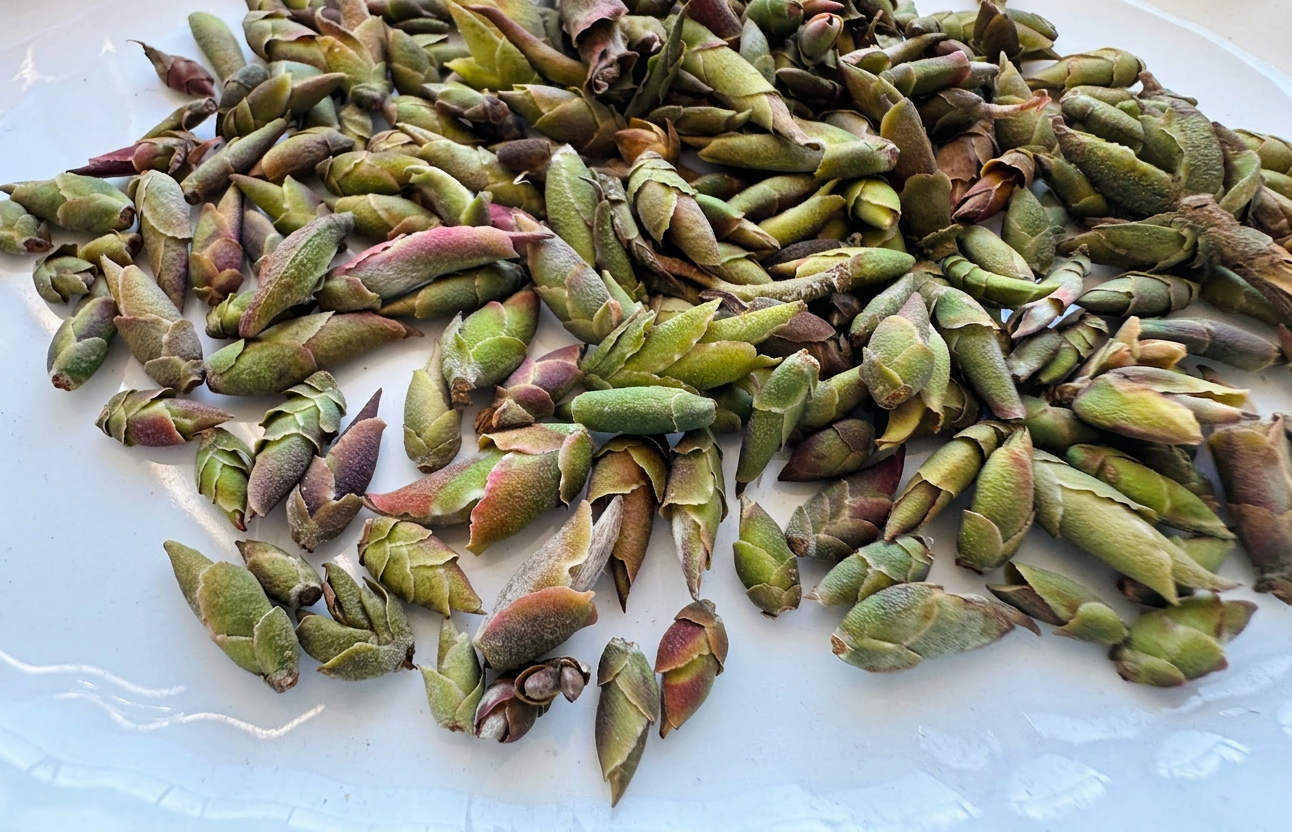
All six teas in this guide are made from Camellia sinensis. Vietnam also produces teas from other Camellia species — most notably Dragon Claw tea (trà móng rồng), made from the winter axillary buds of non-sinensis wild Camellia varietals. These are outside the scope of this guide and will be covered separately.
The categories here describe processing style. Within each category, the character of a Vietnamese tea is shaped as much by cultivar, altitude, and harvest practice as by processing method. Those dimensions are explored in the companion guide to Vietnam’s tea regions.
To explore Vietnam’s tea regions in depth, read our guide: A Guide to Vietnam’s Tea Regions.
References
- B-Company. Vietnam Tea Industry: Production Situation, Main Players, and Export Potential. 2025. https://b-company.jp/vietnam-tea-industry-production-situation-main-players-and-export-potential/
- Tea Journey. Harvest Review: Vietnam. 2019. https://teajourney.pub/article/harvest-review-vietnam/
- Tea & Coffee Trade Journal. Changing Consumption Patterns Spur Green Tea Growth. 2025. https://www.teaandcoffee.net/feature/37595/changing-consumption-patterns-spur-green-tea-growth/
- Kill Green. Tea Production in Vietnam: A History and Evolution. 2020. https://www.killgreen.io/main/vietnamese-tea-production-history
- Wikipedia. Lotus Tea. https://en.wikipedia.org/wiki/Lotus_tea
- Tea & Coffee Trade Journal. Vietnam is Working to Improve its Reputation in Tea. 2020. https://www.teaandcoffee.net/feature/24931/vietnam-is-working-to-improve-its-reputation-in-tea/
- Path of Cha. Vietnamese Tea: Sheng Pu-erh Made in Vietnam. 2023. https://pathofcha.com/blogs/all-about-tea/vietnamese-tea-sheng-pu-erh-made-in-vietnam
- Kill Green. Vietnamese Tea: Origin, Geography, Cultivars, Current Affairs. 2022. https://www.killgreen.io/main/vietnamese-tea-origin
- PMC / National Library of Medicine. Development and Industrial Application of Geographical Origin Identification for Taiwanese Oolong Tea. 2025. https://pmc.ncbi.nlm.nih.gov/articles/PMC11698600/
- Tea with Neldon. Pesticides and Propaganda: How China Impacts the Vietnamese Tea Industry. 2023. https://www.teawithneldon.com/post/pesticides-and-propaganda-an-investigation-into-vietnamese-teas
- Wikipedia. Pu’er Tea. https://en.wikipedia.org/wiki/Pu’er_tea
- Tea Epicure. Tea Authenticity and Geographical Indications. 2019. https://teaepicure.com/tea-appellations/
- Nông nghiệp và Môi trường. Người làm loại trà Phổ Nhĩ sống có thể để được hàng trăm năm. 2026. https://nongnghiepmoitruong.vn/nguoi-lam-loai-tra-pho-nhi-song-co-the-de-duoc-hang-tram-nam-d800369.html

 Duyên Tea